
High Ferritin and Iron Overload: When Is Therapeutic Phlebotomy Recommended?

An elevated ferritin result can raise a lot of questions. Does it mean there is too much iron in your body? Could it be related to hemochromatosis? Is donating blood enough, or do you need a medically supervised therapeutic phlebotomy plan?
The answer depends on more than one number.
At Amplify Wellness in St. Petersburg, Florida, we help patients understand their laboratory results and follow an individualized plan when therapeutic phlebotomy has been medically recommended. The goal is not simply to remove blood. It is to do so safely, monitor the appropriate markers, and coordinate the process with the patient’s broader healthcare plan.
What Is Ferritin?
Ferritin is a protein that stores iron inside the body. A ferritin blood test helps healthcare providers estimate how much iron is being stored, but ferritin can also rise for reasons unrelated to excess iron.
Possible causes of elevated ferritin include:
Hereditary hemochromatosis
Inflammation or infection
Liver conditions
Metabolic health concerns
Regular alcohol use
Certain blood disorders
Iron supplementation
For that reason, a high ferritin result does not automatically mean that a person needs therapeutic phlebotomy. A qualified healthcare provider may review ferritin alongside transferrin saturation, serum iron, total iron-binding capacity, a complete blood count, liver markers, symptoms, medical history, and sometimes genetic testing.
What Is Iron Overload?
Iron overload occurs when excess iron accumulates in the body over time. Because the body has no simple way to eliminate large amounts of stored iron, untreated overload may eventually affect organs and tissues.
One recognized cause is hereditary hemochromatosis, a genetic condition that increases iron absorption. Iron overload can also occur for other reasons, including repeated blood transfusions or certain medical conditions.
Symptoms can be vague and may overlap with many other health concerns. Some people report fatigue, joint discomfort, abdominal discomfort, weakness, changes in skin tone, reduced sex drive, or heart-related symptoms. Others have no obvious symptoms and first discover a concern through routine bloodwork.
These symptoms alone cannot diagnose iron overload. Proper laboratory evaluation and medical guidance are essential.
What Is Therapeutic Phlebotomy?
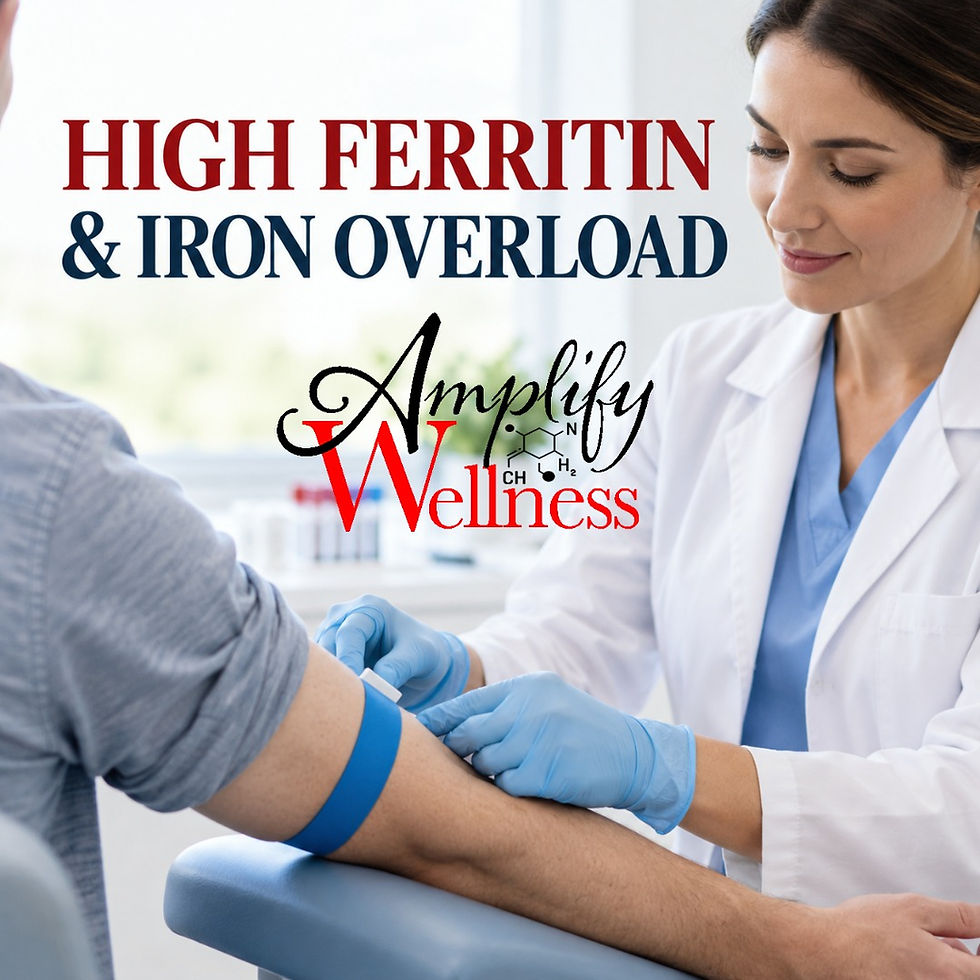
Therapeutic phlebotomy is a medically directed procedure in which a prescribed amount of blood is removed from a vein. It resembles a standard blood donation, but it is performed as part of a treatment plan for a diagnosed or documented medical need.
When blood is removed, the body uses stored iron to produce new red blood cells. Over a series of treatments, this process may help lower excess iron levels. Therapeutic phlebotomy may also be used in the management of certain conditions involving an elevated red blood cell mass, but the diagnosis, treatment target, and schedule differ from patient to patient.
When Might Therapeutic Phlebotomy Be Recommended?
A healthcare provider may recommend therapeutic phlebotomy for conditions such as:
Hereditary hemochromatosis with evidence of iron overload
Other medically evaluated forms of excess iron accumulation
Polycythemia vera
Selected cases of secondary erythrocytosis or elevated red blood cell levels
Therapeutic phlebotomy is not appropriate for every person with high ferritin, a high hematocrit, or nonspecific symptoms. The underlying cause matters. Treatment should be based on medical evaluation, relevant laboratory findings, and an individualized order or care plan.
Blood Donation vs. Therapeutic Phlebotomy
Although the procedures may look similar, routine blood donation and therapeutic phlebotomy are not interchangeable.
A voluntary blood donation is intended to supply blood for eligible recipients and follows blood-bank rules. Therapeutic phlebotomy is performed to address a patient’s medical condition and follows a provider-directed schedule with clinical monitoring.
Some patients with hemochromatosis may be eligible to donate through an approved blood center, while others may need therapeutic phlebotomy in a clinical setting. Eligibility, frequency, and the use of collected blood vary. Patients should follow the recommendations of their healthcare provider and the policies of the facility performing the procedure.
What to Expect at a Therapeutic Phlebotomy Appointment
Your experience will depend on your medical history and prescribed plan, but an appointment may include:
Review of your order and health information. The clinical team confirms the reason for treatment and any relevant instructions.
Pre-procedure assessment. This may include checking blood pressure, pulse, hydration status, hemoglobin, hematocrit, or other markers when indicated.
Blood removal. A needle is placed into a vein, and the prescribed amount of blood is collected.
Observation and recovery. You may be asked to rest briefly and drink fluids before leaving.
Continued monitoring. Follow-up bloodwork helps the treating provider determine whether the frequency of treatment should continue or change.
Some people may experience temporary lightheadedness, fatigue, bruising, or discomfort at the needle site. Tell the clinical team if you have a history of fainting, difficult blood draws, anemia, low blood pressure, or problems tolerating previous procedures.
How Often Is Therapeutic Phlebotomy Needed?
There is no universal schedule. Frequency depends on the diagnosis, laboratory results, treatment goals, symptoms, and how well the patient tolerates the procedure.
For iron overload, a provider may initially recommend more frequent sessions and later transition to maintenance treatments after iron markers reach the desired range. Patients should not try to set their own schedule based only on symptoms or a single ferritin result. Removing blood too frequently can contribute to iron deficiency or anemia.
Preparing for Your Appointment
Follow the instructions provided by your healthcare professional. Unless you have been told otherwise, it may help to:
Drink adequate water before the appointment
Eat a normal meal beforehand
Bring your medical order and current medication list
Wear clothing that allows easy access to your arm
Tell the team about previous reactions to blood draws
Avoid strenuous activity immediately afterward if advised
Do not change prescription medications, supplements, or iron intake without discussing it with the clinician managing your care.
Therapeutic Phlebotomy in St. Petersburg, FL
For residents searching for therapeutic phlebotomy near St. Petersburg, Pinellas Park, Seminole, Kenneth City, Gulfport, or the surrounding Pinellas County area, Amplify Wellness offers a local, personalized setting at 5985 49th Street North, St. Petersburg, FL 33709.
Our team focuses on clear communication, individualized care, and appropriate clinical monitoring. If you have received a therapeutic phlebotomy recommendation or are concerned about high ferritin or iron overload, the next step is to make sure the underlying cause has been properly evaluated and that you have a provider-directed treatment plan.
Frequently Asked Questions
Does high ferritin always mean iron overload?
No. Ferritin can rise because of inflammation, infection, liver conditions, metabolic concerns, alcohol use, and other causes. Additional laboratory results and medical history are usually needed to determine whether excess stored iron is present.
Can therapeutic phlebotomy lower ferritin?
When elevated ferritin is caused by excess iron and treatment is medically appropriate, repeated therapeutic phlebotomy can help reduce stored iron. Monitoring is necessary to avoid removing too much blood or iron.
Is therapeutic phlebotomy the same as having blood drawn for lab testing?
No. A routine laboratory draw removes a small sample for testing. Therapeutic phlebotomy removes a larger, prescribed amount of blood as a medical treatment.
Do I need a medical order?
Requirements depend on the patient’s condition and the facility’s clinical policies. Contact Amplify Wellness before scheduling so the team can explain what documentation, laboratory results, or provider direction may be needed.
How can I schedule therapeutic phlebotomy in St. Petersburg?
Contact Amplify Wellness at 727-209-7491 to discuss scheduling, required documentation, and whether the service is appropriate for your provider-directed care plan.
Schedule a Consultation with Amplify Wellness
If abnormal iron markers or a diagnosis of hemochromatosis has left you unsure about the next step, Amplify Wellness can help you better understand the therapeutic phlebotomy process and what may be required before treatment.
Call 727-209-7491 or
visit Amplify Wellness at
5985 49th Street North,
St. Petersburg, FL 33709
to request a consultation.
This article is for educational purposes only and does not provide a diagnosis or replace medical advice. High ferritin and related symptoms can have multiple causes. Therapeutic phlebotomy should be performed only when clinically appropriate and under qualified medical direction.

Comments